Harnessing the Power of BIM: Building Information Modeling with Anuda Architect
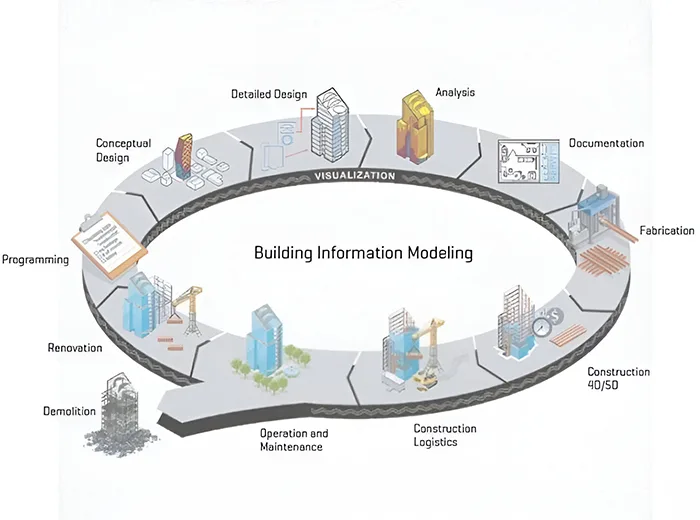
At Anuda Architect, based in Jaipur, Rajasthan, we are at the forefront of architectural innovation, and Building Information Modeling (BIM) is a cornerstone of our design and project delivery process. BIM is more than just creating 3D models; it's a holistic approach that integrates data, collaboration, and advanced technology to enhance every stage of a building's lifecycle, from conceptualization to operation and maintenance.
By embracing BIM, Anuda Architect delivers projects that are more efficient, cost-effective, sustainable, and aligned with our clients' visions. Discover how our expertise in Building Information Modeling is transforming the way we design and build in Jaipur and beyond.
Anuda Architect: Pioneering BIM in Jaipur's Architectural Landscape
As a forward-thinking architectural design firm in Jaipur, Anuda Architect is committed to leveraging the latest technologies to provide our clients with the best possible experience. Our investment in VR technology underscores our dedication to innovation and client satisfaction. We create detailed and immersive virtual models of your projects, allowing you to:
Explore different design options and layouts
Visualize material choices and finishes in a realistic setting.
Understand the flow and functionality of your space.
Provide clear and effective feedback to our design team.
Ready to experience the advantages of BIM for your next project?
Contact Anuda Architect today for a consultation and discover how our expertise can bring your vision to life with greater clarity and efficiency.
Why Choose Us
-
Expertise in cutting-edge 3D VR technologies
-
Personalized approach: to each project
-
Commitment to delivering visually engaging presentations