The Timeless Wisdom of the Haveli: How Jaipur's Courtyard Architecture is Redefining Modern Homes
31 July, 2025
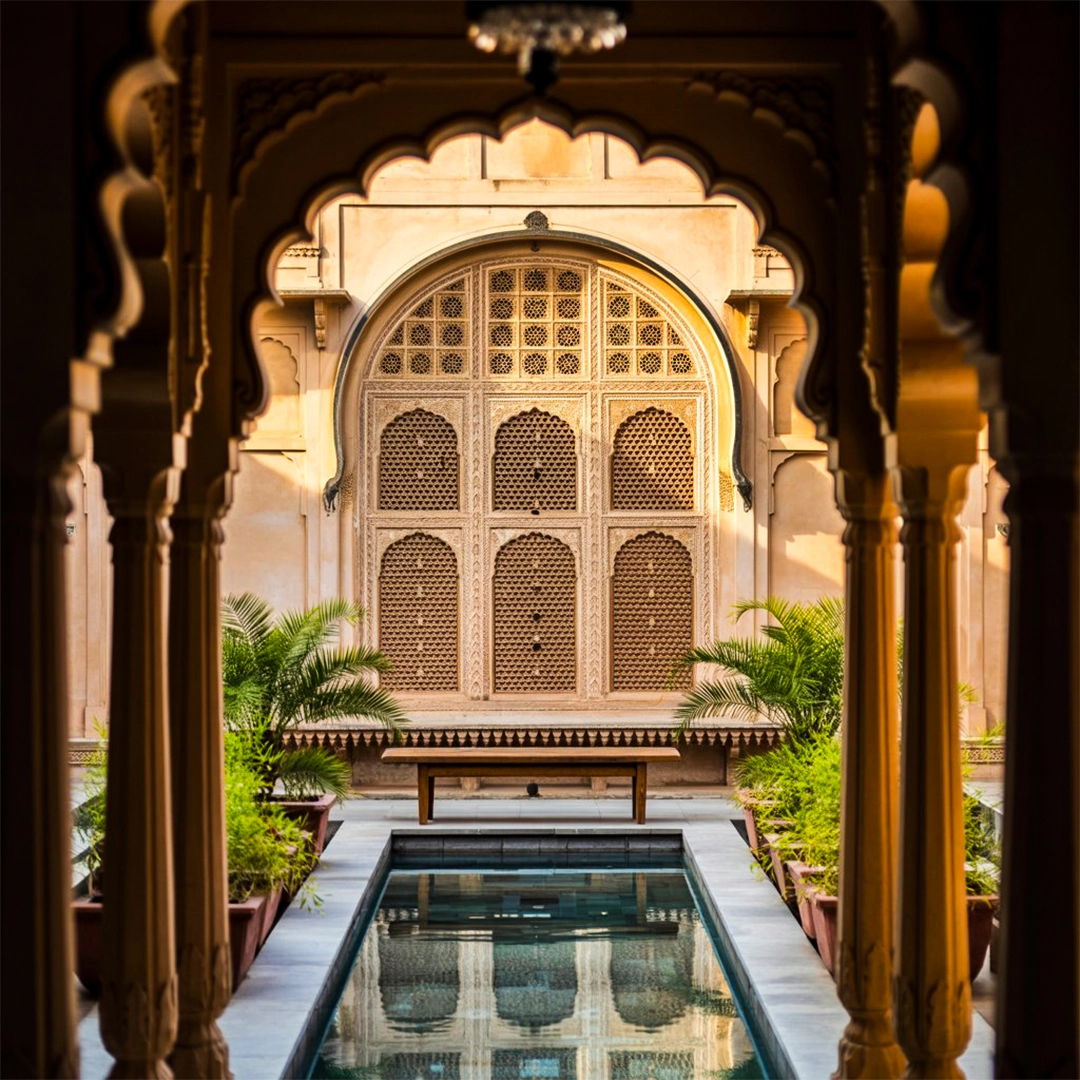
Jaipur's the Pink City, is a treasure trove of architectural marvels. Beyond the grand forts and places, the city's true architectural soul lives within the winding lanes of its old city, in the magnificent havelis. These traditional mansions, built around a central courtyard, are not just relics of the past; they are masterclasses in sustainable and climate-responsive design. Today, as architects in Jaipur and beyond seek solutions for sustainable living, the humble courtyard is making a powerful comeback, redefining the blueprint for the modern Indian home.

The Original Green Building : Lessons in Passive Cooling
Long before "sustainability" became a buzzword, the architects of Rajasthan's haveli had perfected the art of passive cooling. The central courtyard, or aangan, is the heart of this design. It functions as a natural air conditioner, creating a microclimate that keeps the surrounding living spaces cool, even during Jaipur's scorching summer months.
During the day, hot air rises and escapes from the open courtyard. As the evening cools, denser, cooler air sinks into the courtyard, which is then circulated throughout the home. This simple yet ingenious principle of convection significantly reduces the reliance on artificial cooling, making it a cornerstone of energy-efficient design.

A Space for Light, Life, and Community
The courtyard is more than just a climate regulator; it's the social and cultural nucleus of the home. It is a source of abundant natural light for all adjoining rooms, reducing the need for artificial lighting and creating bright, airy interiors. The verandas and corridors surrounding the courtyard serve as traditional spaces, bluring the lines between indoors and outdoors.
Historically, the aangan was a secur, private open space for families to gather, for children to play, and for festivals to be celebrated. In modern architectural interpretations, this role is being revive. The courtyard once again becomes the family lounge, the meditation corner, or the lush green sanctuary that connects inhbitants with nature and with each other.

Modern Interpretations: The Courtyard Reimagined
Contemporary architects in Jaipur are brilliantly adapting this ancient concepts for 21st-century living. The modern courtyard home is not a mere replica os a haveli but a sophisticated fusion of traditional and modernity.
Key elements being incorporated include:
- Jali(Latticed Screens): Intricately patterned screens made from stone, concrete, or metal are used to break harsh sunlight, ensure privacy, and faciliate ventilation while casting beautiful, dynamic shadows.
- Water Features: A small fountain or a reflective pool in the courtyard enhance evaporative cooling and adds a sense of tranquility.
- Vernacular Materials: The use of local materials like sandstone, lime plaster and terracotta not only reduce the carbon footprint but also roots the building firmly in its cultural and geographical context.

The Future Courtyard
In an era of climate change and rapid urbanization, the wisdom of our ancestors has never been more relevant. The courtyard house offers a time-teste, sustainable, and deeply human-centric model for living. It provides that the best architectural solutions are often that respects the local climate, culture and community.
By looking back at the design genius of the haveli, architects in Jaipur are not just building houses; they are crafting homes that are cooler, brighter and more connected to both nature and family-a truly timless approach to modern living.
Recent Posts
-
Luxury Architecture Trends in...
25 September, 2026
-
Building Your Dream Home in Ra...
18 June, 2026
-
The Future is Now: Modern Arch...
06 September, 2025